

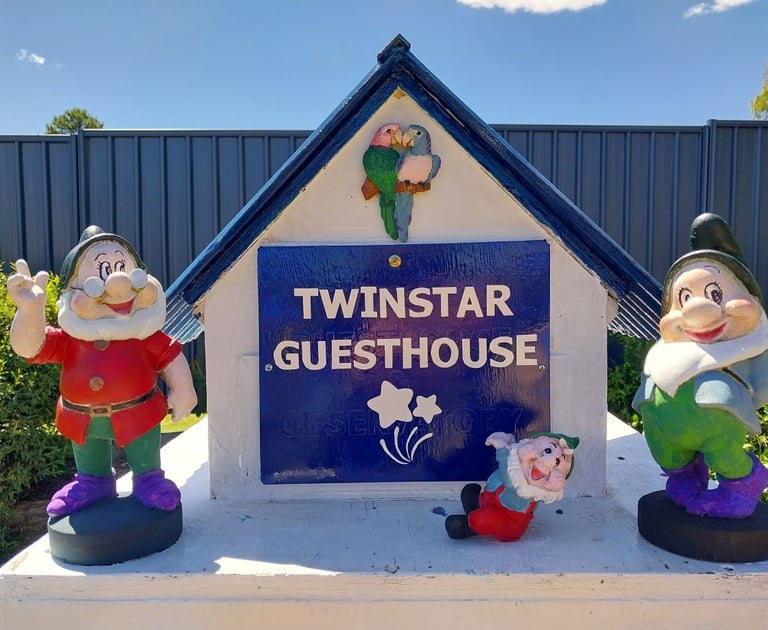
Welcome to Twinstar
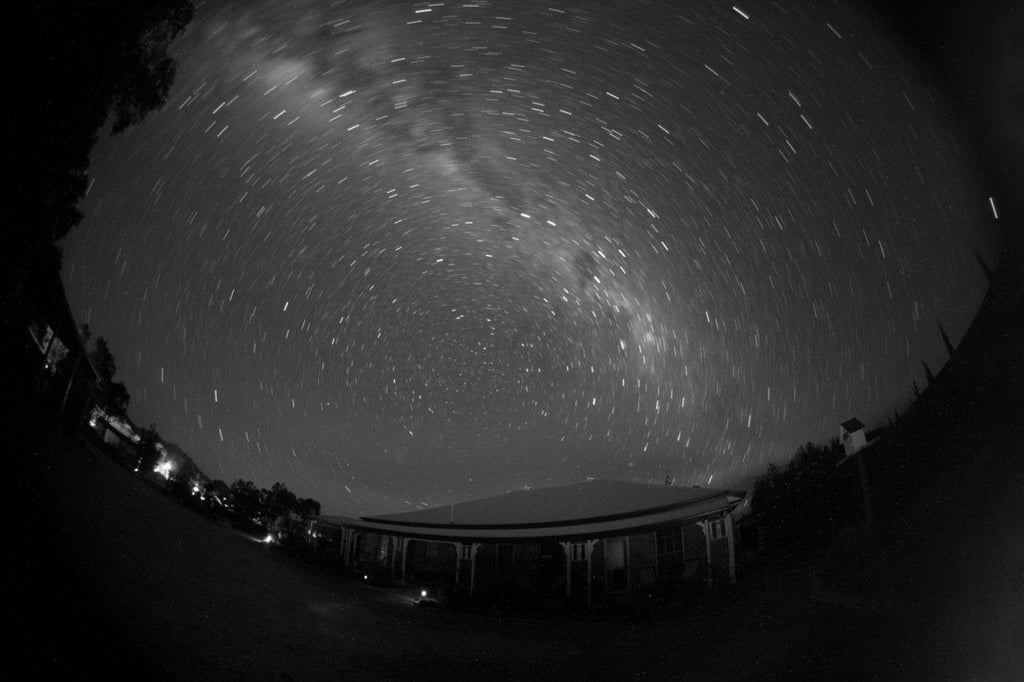
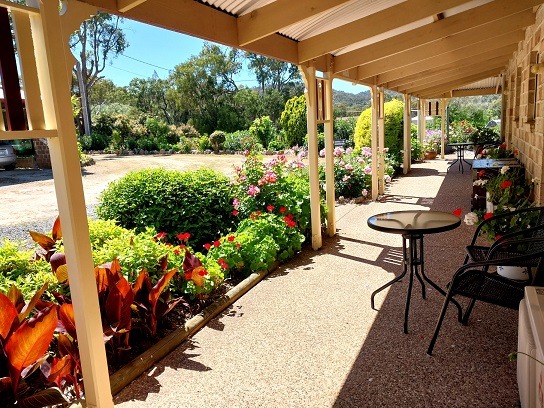
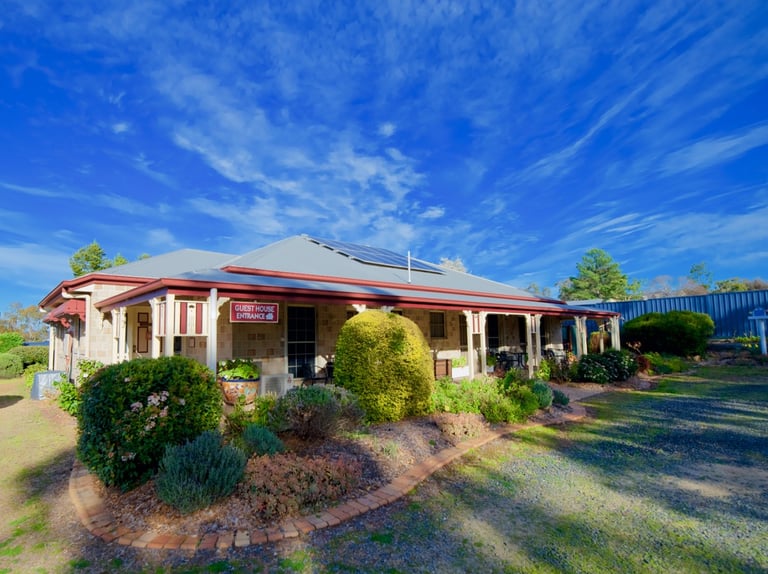
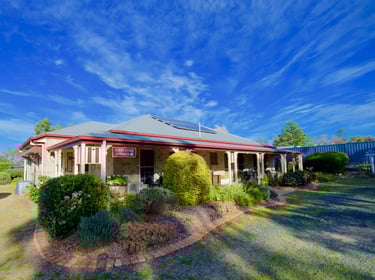
Twinstar Guesthouse offers clean, comfortable, motel-style accommodation nestled among wineries and orchards on the Granite Belt in south-east Queensland. It’s the perfect base for exploring nearby national parks like Girraween, Bald Rock, and Sundown, as well as enjoying birdwatching and wildflower viewing. This friendly, family-run guesthouse also provides a unique spot for amateur astronomers & astro-photographers to marvel at stunning stars under the clear, dark rural sky.

<日本人の皆様へ>
ツインスター・ゲストハウスは、清潔で快適な宿泊施設です。トイレ、シャワー、エアコン等が完備された部屋が3つあり、最大6名まで宿泊できます。
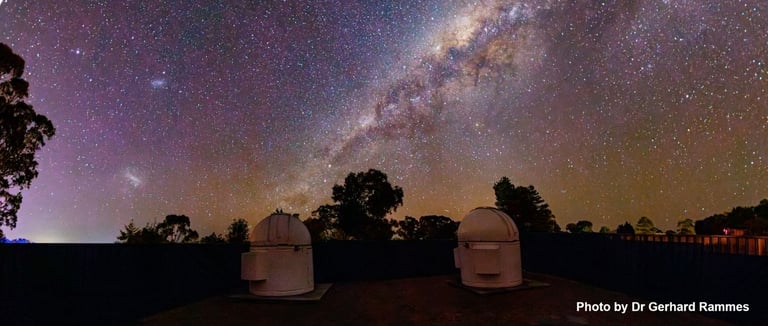
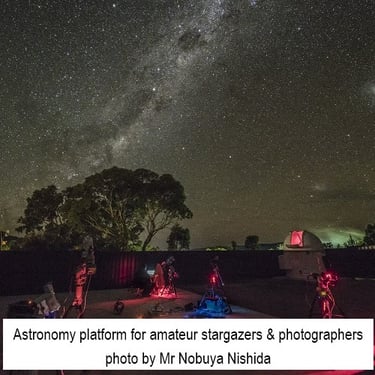
遮光塀に囲まれた専用の土地に星空観望や天体撮影に必要な器材を置けるコンクリート台があり、天文愛好家は電源、テーブル、延長コードなどを無料で利用することができます(要予約)。事前にご連絡頂ければ、望遠鏡や双眼望遠鏡も無料でお貸しできます。光害の少ない夜空で観望や撮影をお楽しみ下さい。お問い合わせは日本語でも結構ですので、Eメールでお尋ね下さい。
所在地はオーストラリア、クィーンズランド州南西部、バランディーン。最寄りの国際空港は、ブリスベン、車で約3時間の道のりです(ゴールドコースト空港からは車で約3時間半)。ブリスベンから車でお越しの方は、ご参考にこちらをご覧ください。車の運転が不安な方は、ブリスベンから長距離バスを利用する方法もあります。詳細はこちらをご覧ください。これら行き方の詳細を記載したHPは、以前日本からお越しになったお客様が作成して下さったものです。
Convenient facilities are available for visual and photographic observers. These include a fenced-in observing deck, tables and chairs for your comfort, and access to mains power and extension cords for your equipment (booking required).
Whether you are a casual observer or a professional photographer, this venue is designed to cater to your needs and provide the necessary amenities to enhance your experience. So, book your spot and enjoy the convenience and comfort of our well-equipped observing deck while capturing breathtaking images or simply admiring the wonders of the night sky.
Astro-lover's Haven
Please note that we no longer offer a guided night sky tour from 1 January 2026. Each guest room has a star disk and a pair of binoculars, so you can enjoy stargazing on your own at any time.
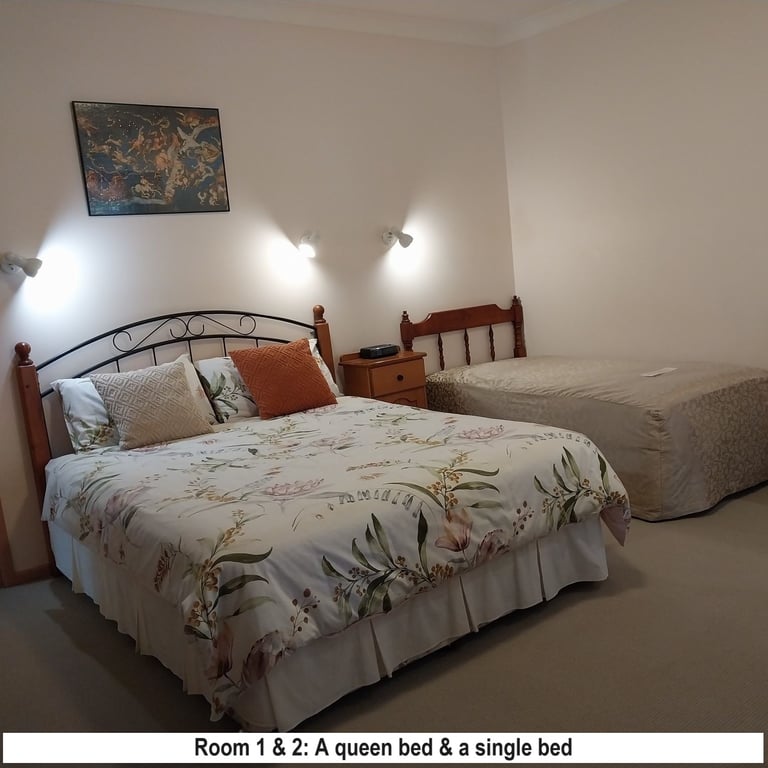
We offer 3 comfortable & clean guest rooms with all ensuite & amenities you need for a relaxing stay. The Guesthouse can accommodate up to 6 guests in total 3 rooms.
Room 1: 1 x Queen & 1 x Single bed
Room 2: 1 x Queen & 1 x Single bed
Room 3: 1 x Queen bed
A family or group of 4 needs to take 2 rooms (no family rooms).
Accommodation
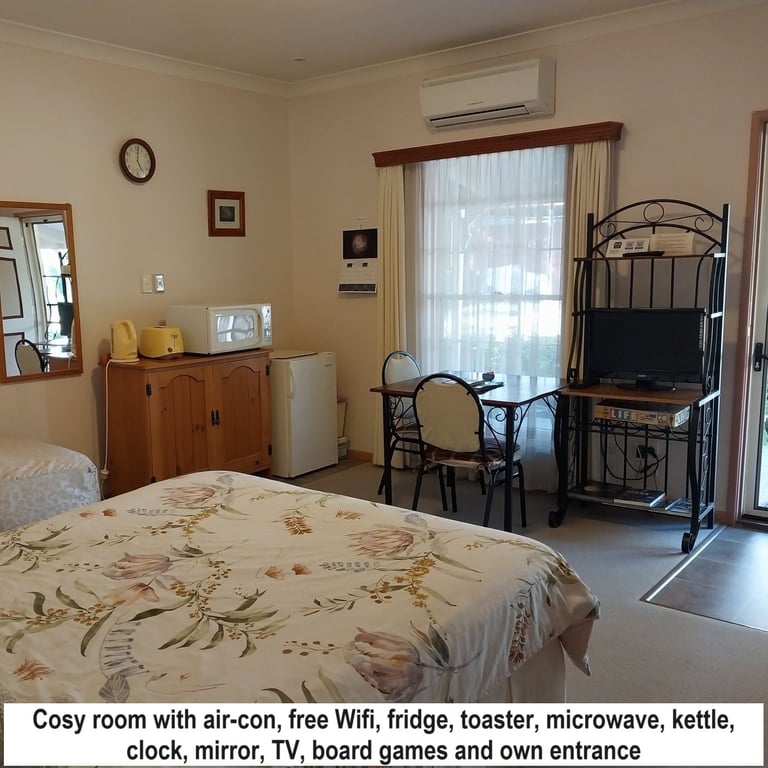
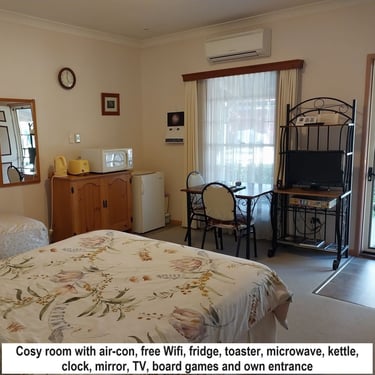
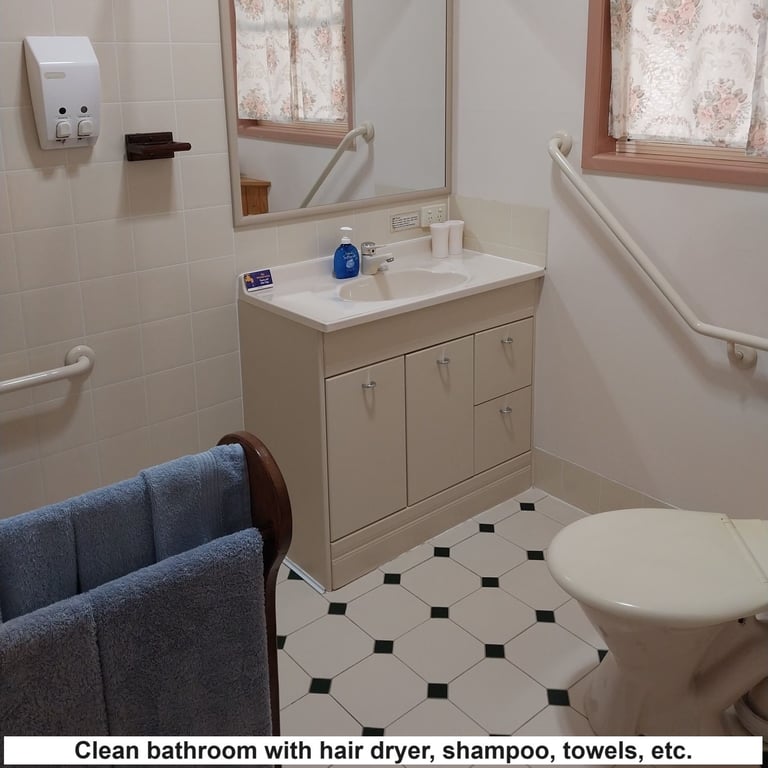
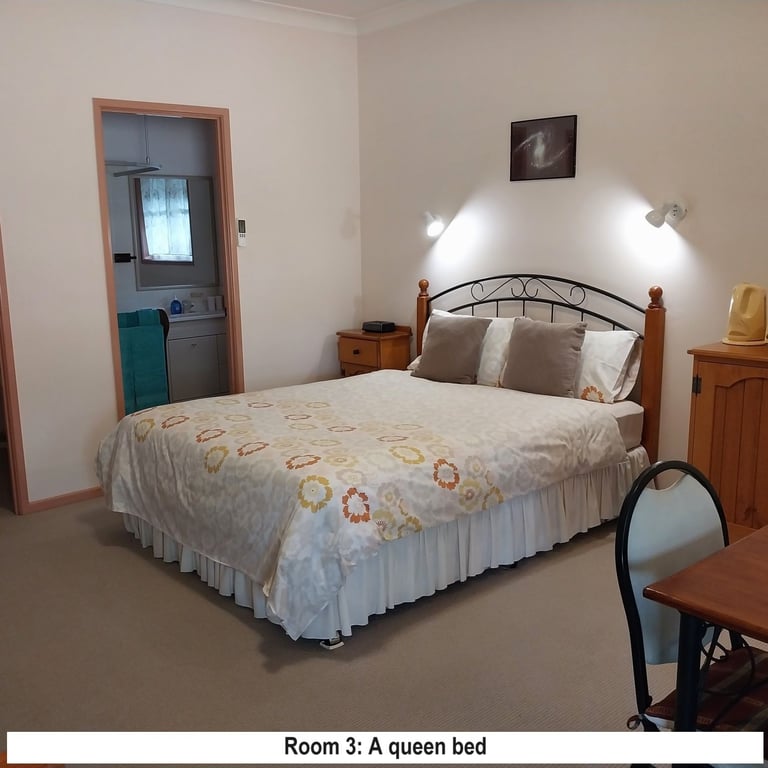
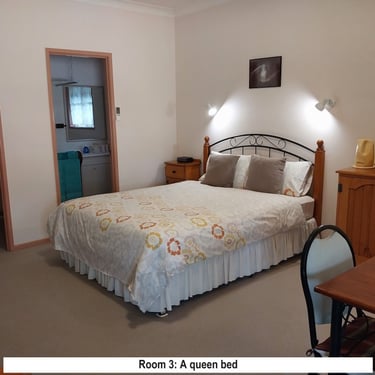
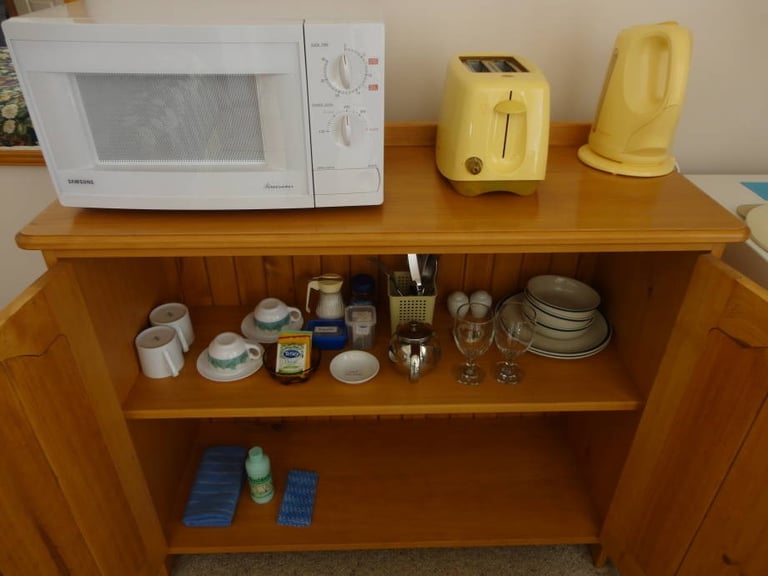
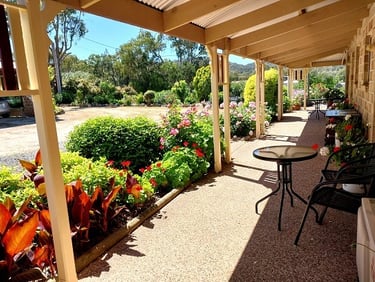
Each room has an air-con, own bathroom (toilet & shower), fridge, microwave, toaster, basic cutlery, tea/coffee making facilities, wardrobe, iron, hair dryer, shampoo, soap, towels, linens and own entrance.
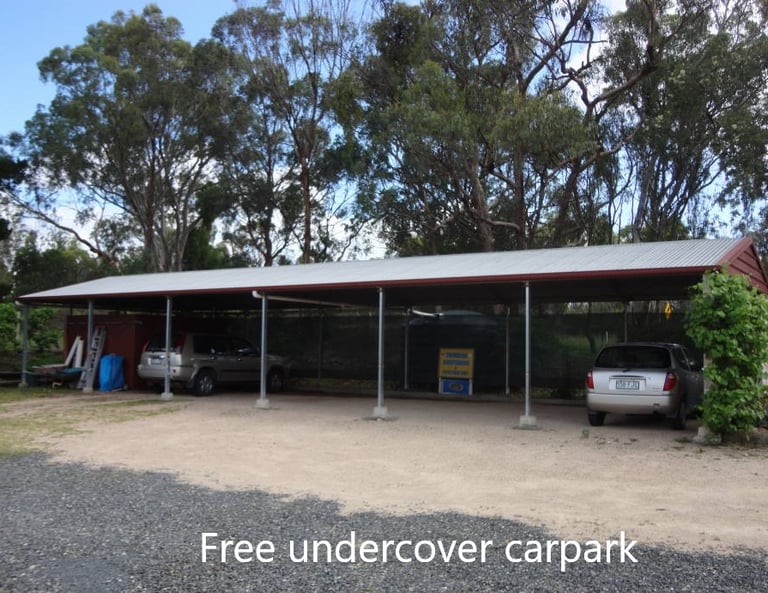
Free undercover parking
Free Wi-Fi
Check-in time after 15:00, Check-out time 10:00
Sorry, no pets!
Affordable and uniform room rates on any day of a year (the rates are per room per night)
For long weekends, we ask for a minimum 2-night stay.
Affordable prices 365 days!
Single room: $100 (1 x Queen bed for 1 person)
Double room: $120 (1 x Queen bed for 2 people)
Twin room: $140 (1 X Queen bed & 1 x Single bed for 2 people)
Triple room: $160 (1 x Queen bed & 1 x Single bed for 3 people)
A family or group of 4: $240~280 for 2 rooms (no family/large room)
Home-cooked dinner delivered to your room
Delicious and healthy dinner (set menu) is delivered to your room at 19:00. A minimum 24-hour advance booking is required.
$20 per adult
$15 per child (11-yr-old or under)
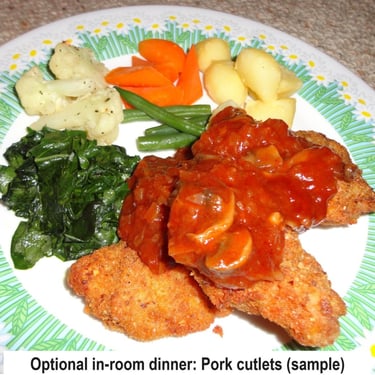
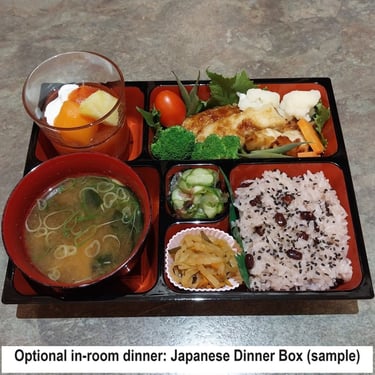
The menu changes daily. Examples: Teriyaki chicken with rice & stir-fried veg; Pork cutlets with cooked veg & bread; Crumbed fish with tartar sauce with cooked veg & bread; Japanese Dinner Box (Chicken, rice, veg, soup & dessert), etc.
*Note: No breakfast is available. Please bring your own supplies.
For enquiries use the Contact form below or email us twin-star@bigpond.com with your preferred booking date(s), number of guests & rooms, required room types (single, double, twin or triple), requirement for our dinner and your mobile number. For bookings all names of staying guests are required.
Call us (phone: 07 4684 1135), if it's urgent or you don't receive an email reply from us within 24 hours.
Enquiries in Japanese language are no problem.
No deposit or credit card details are required to make a booking. We operate on trust and simplicity. If you need to change or cancel your booking, please let us know as soon as possible.
Cash, EFTPOS & credit cards (Visa, Master, Amex & JCB) are accepted (no surcharge).
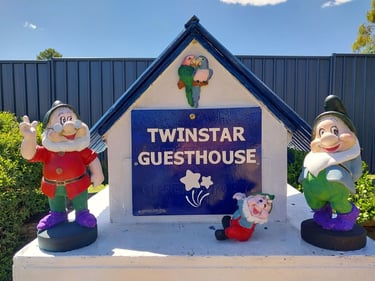
Booking & Payment
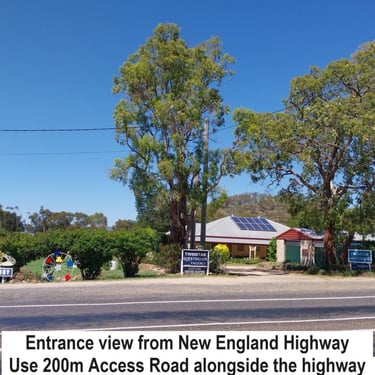
Location
28146 New England Highway
Ballandean, Qld 4382 AUSTRALIA
Hours
7 days
8am - 8pm
Contacts
Phone: 07 4684 1135 Mobile: 0409 655 713
twin-star@bigpond.com
Granite Belt Wine & Tourism: local tourism info including dining, wineries and attractions
Southern Downs & Granite Belt: what to do, see and eat within broader areas
Girraween National Park
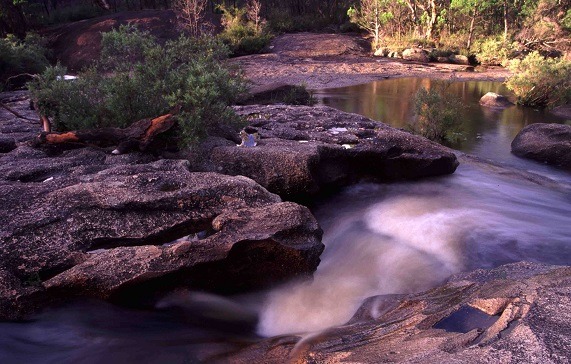
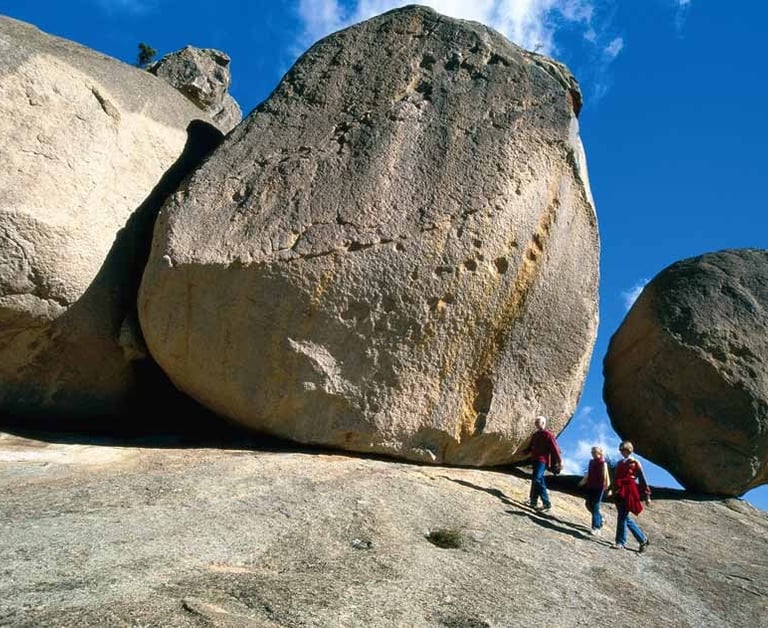
Girraween, meaning ‘place of flowers’, is a park of massive granite outcrops, large angular tors, and precariously balanced boulders. Spectacular wildflower displays splash colour among the granite in spring. Visit the following Girraween National Park website for most comprehensive info about the NP. It is located only 15-drive from the Guesthouse.
Local Information
Near Twinstar Guesthouse in Ballandean
There are a general store & petrol, pub, The Church (wine tasting venue), post office and pharmacy in a walking distance. Many local wineries/orchards are found in the surrounding area. Stanthorpe (15-min drive from the Guesthouse) has a wide range of restaurants, cafes, supermarkets and shops.